
SCPSA and the water supply and sanitation network in the Pamplona Region Success stories
SCPSA (Servicios de la Comarca de Pamplona S.A) is the company that manages the services of the integrated water cycle, waste, urban transport and river park of the Comarca de Pamplona.
Therefore, it is responsible for critical infrastructure, such as ensuring the supply and sanitation of water, requiring reliable communications between multiple distributed sites (reservoirs, ETAPs, EDAR and Nasertic telecommunications tower).
Furthermore, they also needed to replace the radio links of the Waste and Transport service centers.
Technology leaders are by our side, and we are by yours.
Initial situation and challenge posed
In this context, the radio link network is a key element: if communication fails, supervision, control and daily operation become more complicated.
The starting point was a radio link network based on SIAE equipment, used mainly for data transport and center communication.
Over time, technological obsolescence and the need for growth made a complete modernization necessary, but with one essential condition: to make the change without interrupting the service.
SCPSA had a well-established network, but it relied on outdated equipment. In distributed environments, these types of networks tend to evolve towards greater demands: more traffic, more connected points, a greater need for communication prioritization, and, above all, a greater focus on availability.
Therefore, the goal was not just to “change equipment,” but to prepare a communications platform capable of supporting the organization in the medium and long term: more robust, easier to maintain, and ready to grow.
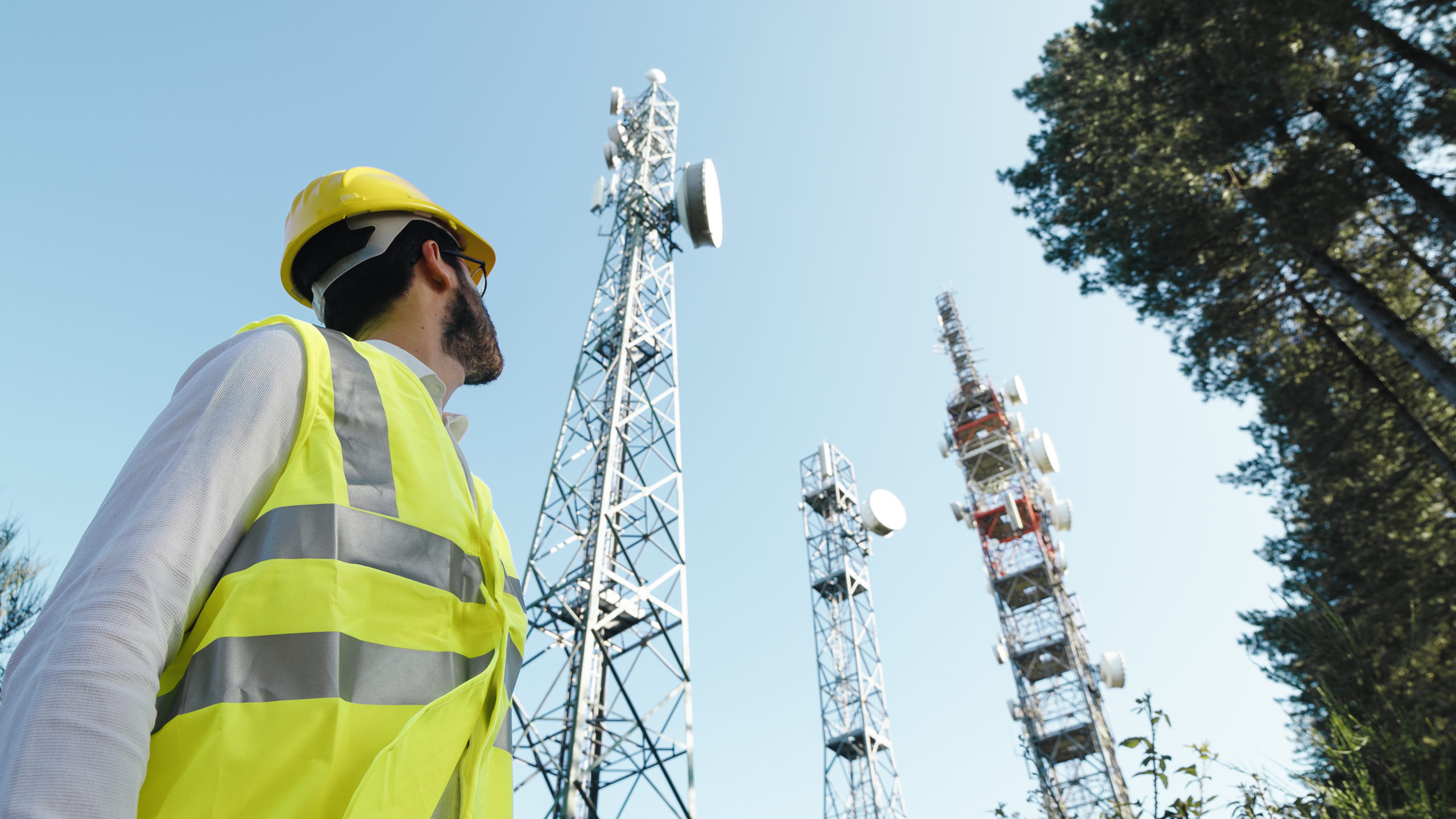

Project objectives
SCPSA defined four clear goals:
- Replace old SIAE radio links without service interruption.
- Improve network reliability and availability.
- To have a platform prepared for future growth.
- Facilitate the management, operation and maintenance of the system.
The solution we proposed
Codipro designed and implemented a solution based on high-capacity Ceragon radio links, sized to meet current needs and allow for future expansion. Antenas Sinkal was our strategic partner for this project.
- 10 radio links in total.
-
Equipment:
-
Ceragon IP-50C
-
Ceragon IP-50Cx
-
The proposal was conceived with a scalability approach: the network is prepared to operate with the performance required at present (150 Mbps) and with the possibility of expansion through licenses (up to 500 Mbps), so that the infrastructure can accompany growth without having to rethink the deployment from scratch.
Furthermore, the design took into account high availability objectives for each span/link, achieving availability ranges greater than 99.99% depending on the link and its criticality.
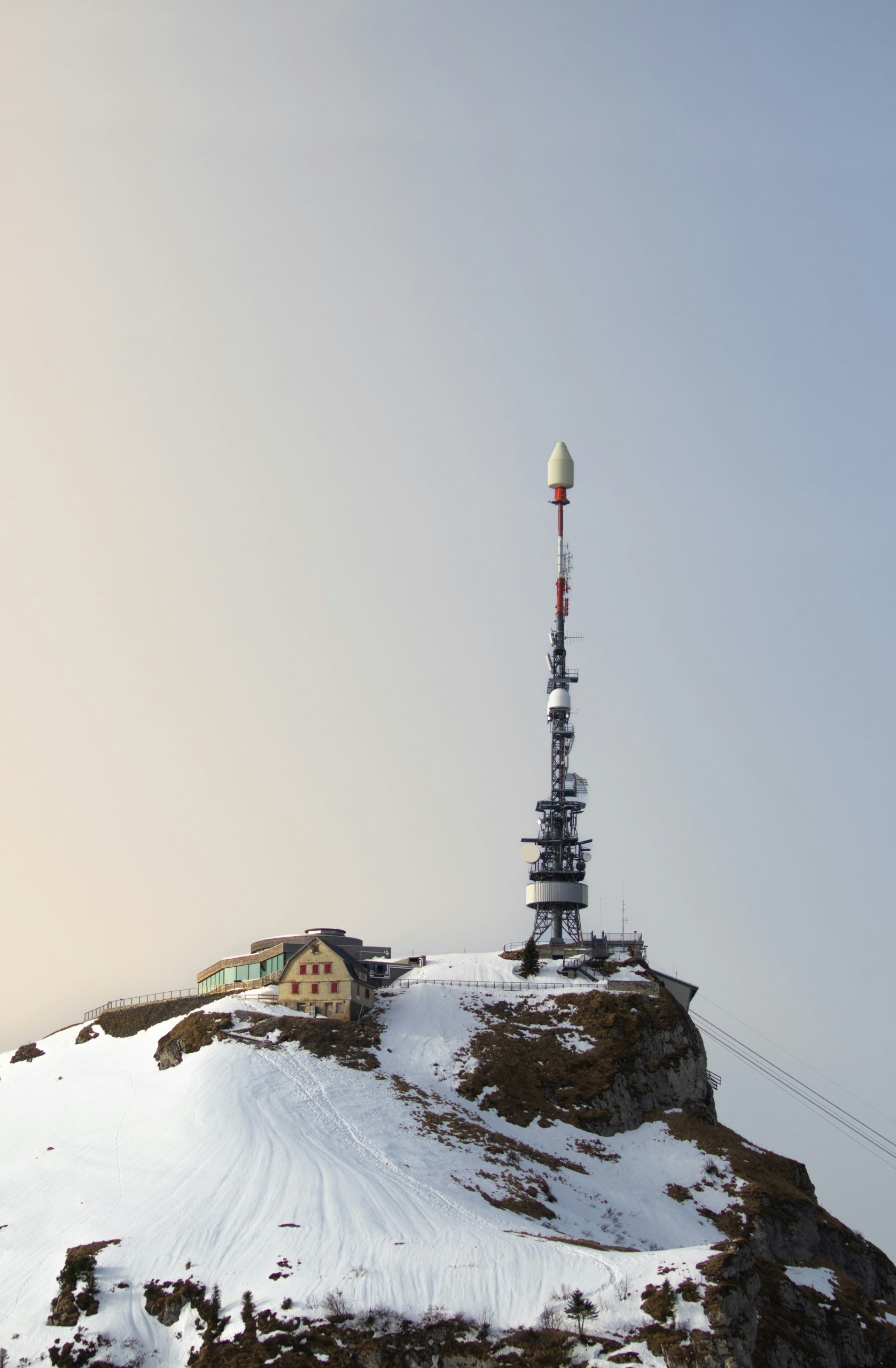
Project objectives
Codipro acted as the project’s comprehensive provider, covering the entire value chain: from pre-engineering to commissioning and progressive migration.
Engineering and design
Análisis de enlaces para entender condiciones reales de cada emplazamiento.
Estudios de viabilidad radioeléctrica para validar que cada radioenlace cumpliría el objetivo de rendimiento y disponibilidad.
Capacity sizing with a future-oriented vision (current traffic + growth margin).
Supply
Ceragon IP-50C and IP-50Cx equipment.
Antennas and associated accessories.
Mounting elements and materials required for installation on tower/mast.
Facility
Tower/mast mounting at defined locations.
Antenna alignment with signal quality and stability criteria.
Electrical and network connections, leaving the infrastructure ready for configuration and testing.
Configuration
Radio parameters and IP configuration according to the design.
Application of QoS and traffic profiles to prioritize critical communications when necessary.
Alarm configuration and monitoring to facilitate operation, early detection of incidents and maintenance.
Start-up
- Performance and stability tests to validate the network’s behavior under real-world conditions.
- Preparation of the transition plan and execution of the progressive migration from the SIAE equipment.
This “turnkey” approach was key to reducing deployment obstacles: a single supplier responsible for design, supply, execution, and final validation.
Project planning and deployment methodology
The implementation was structured in phases, with planning aimed at minimizing risks:
- Planning and preparation
- Design and prior documentation
- Implementation (installation + configuration)
- Monitorización y control (validación y estabilización)
- Closure, final “as-built” documentation and knowledge transfer
The roadmap included an estimated timeframe of 17 weeks, with documentary deliverables and a shared project repository to ensure traceability and control.
Testing and quality assurance
To certify performance and ensure that the change did not introduce degradation, a technical testing plan was applied that included:
RFC 2544 tests to validate typical performance parameters (such as throughput or latency).
BER (Bit Error Rate) tests to check link integrity and stability.
Instrumentación de medida (Viavi 5800v2).
Verificaciones de QoS y confirmación de perfiles de tráfico.
Activation and validation of alarms (e.g., via SNMP) for operation and maintenance.
Interoperability checks with real network equipment.
This process allowed us to migrate with confidence, having previously verified that the new network was ready to take over the service.
Migration from SIAE without impact on service
One of the critical points of the project was to replace the previous infrastructure without affecting operational continuity.
To achieve this, a carefully controlled migration was carried out:
Phased migration, link by link.
Controlled change windows to reduce operational risk.
Testing before and after each migration, verifying performance and stability after each change.
Seguimiento post-migración para confirmar que la red quedaba estable y dentro de los parámetros esperados.
This approach allowed for a gradual and safe transition, avoiding “big cuts” and maintaining control at all times.
Results achieved
The modernization of SCPSA’s radio link network has enabled:

Eliminate technological obsolescence by replacing the old radio links.

Improve reliability and capacity, reinforcing service continuity in a critical environment.

Dejar la red preparada para el crecimiento futuro, con capacidad ampliable mediante licencias.

Simplificar la operación y el mantenimiento, gracias a una configuración más completa (QoS, monitorización y alarmas), un plan de pruebas exhaustivo y una documentación final centralizada.
SCPSA ha manifestado estar plenamente satisfecha tanto con la solución técnica como con todo el proyecto desplegado.
Does your communications network need a seamless upgrade?
Modernization without interruptions?
Connect with our news
Discover the latest news, solutions, and featured content to stay up to date on connectivity, technology, and network deployments.



